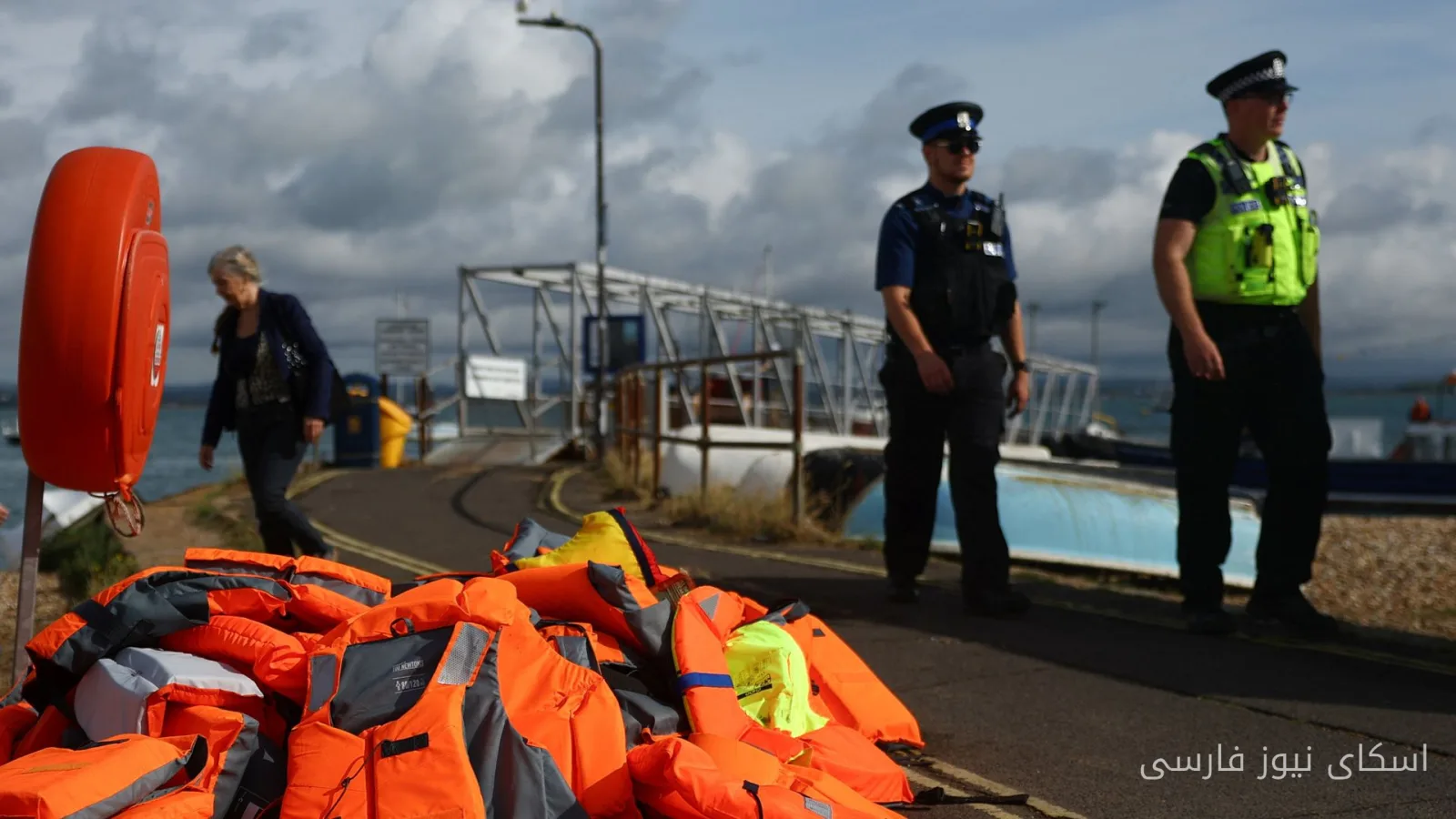
The Royal National Lifeboat Institution (RNLI) has recently announced that it is reviewing decisions under which several ports have denied access to a boat carrying over ۱۰۰ migrants to their territory. This incident is not only a news topic but also a serious challenge for human rights and maritime policies in the UK.
Human and Ethical Challenges
When a boat at sea faces serious dangers and individuals on it are seeking to save their lives, does our social and humanitarian duty not compel us to help them? These questions have been strongly raised following the recent decisions by the ports. Many observers believe that preventing the entry of these boats is not only a disregard for human rights but will also have dire consequences for those seeking asylum or a better life.
Public and Political Reactions
These decisions quickly sparked public and political reactions. Critics have accused the government of ignoring the humanitarian situation of migrants and have called for accountability. In this context, the Royal National Lifeboat Institution, as a non-governmental organization, continues its efforts to understand this situation and calls for greater transparency in decisions regarding migrants.
Given these issues, it seems that the time has come for the international community and governments to look more closely at the issue of migration and human rights. This issue is not limited to the UK; similar challenges exist in other countries as well and require a comprehensive and humane approach.