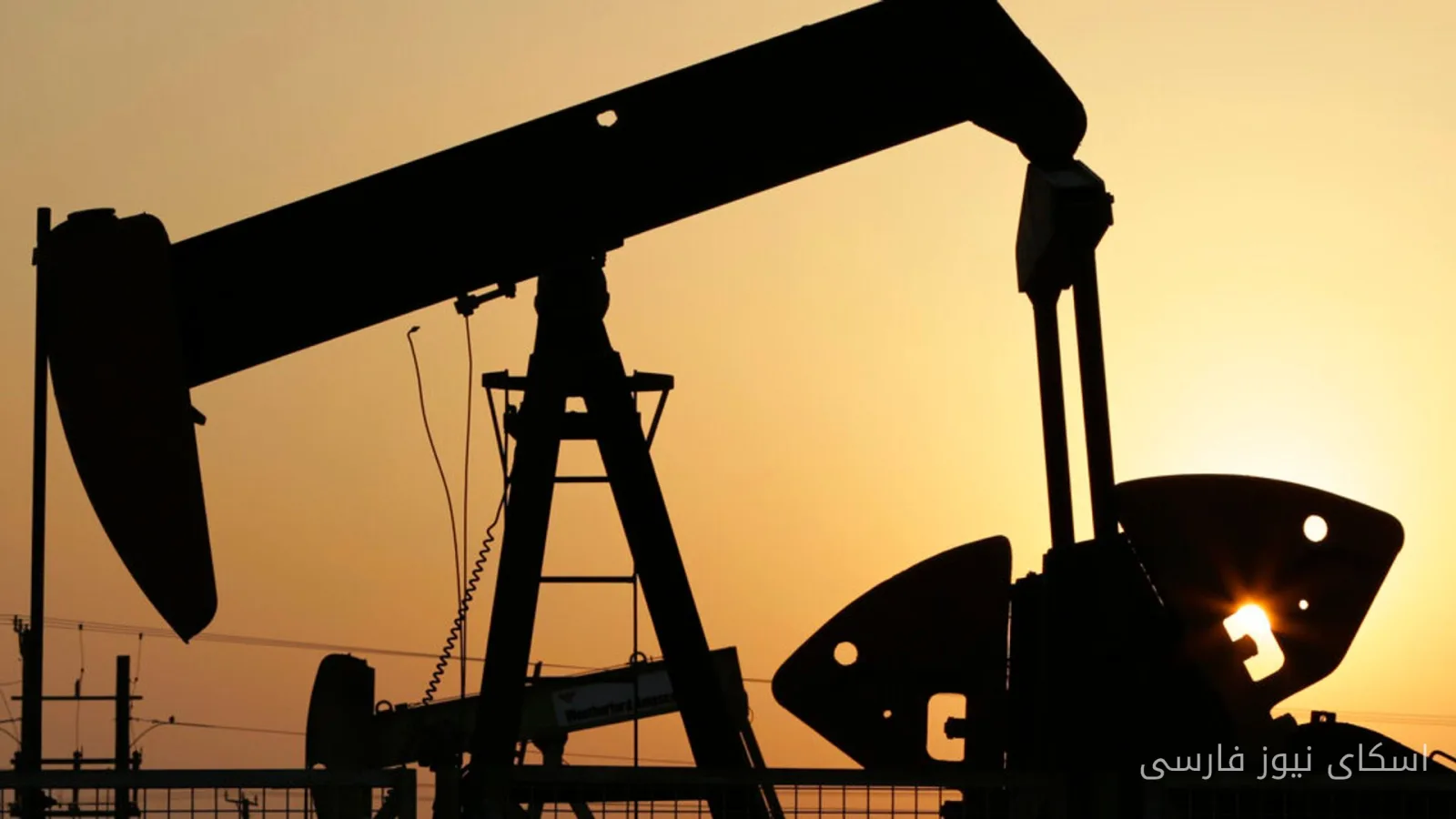
Following the escalation of conflicts in the Middle East, oil prices have once again surpassed $۱۰۰ per barrel, fueling global concerns about its economic impacts. This price surge occurs as various countries seek to manage the repercussions of this crisis, and financial markets are also under pressure.
Immediate Effects on the Global Market
Economic analysts believe that the rise in oil prices could lead to increased energy costs globally, which will ultimately affect inflation and the cost of living for people. Recent conflicts in the Middle East have not only impacted the oil market but have also affected other essential commodities, raising concerns about the global supply chain.
Oil-consuming countries are facing new challenges. Some governments are considering alternative energy sources to reduce their dependence on Middle Eastern oil, but this process requires significant time and investment.
Concerns About Economic Stability
As oil prices have sharply increased, many economists are worried that this situation could lead to economic recession in some countries. The rise in fuel prices directly impacts production costs and the prices of goods, meaning more pressure on citizens.
Meanwhile, political and military challenges in the Middle East continue, and it seems that this situation will not improve soon. Therefore, the global market must prepare for the long-term consequences of this crisis.